AI Adoption in Legal Tech: What I Learned at a Legal Conference
Jul 18, 2025 · 3 min read
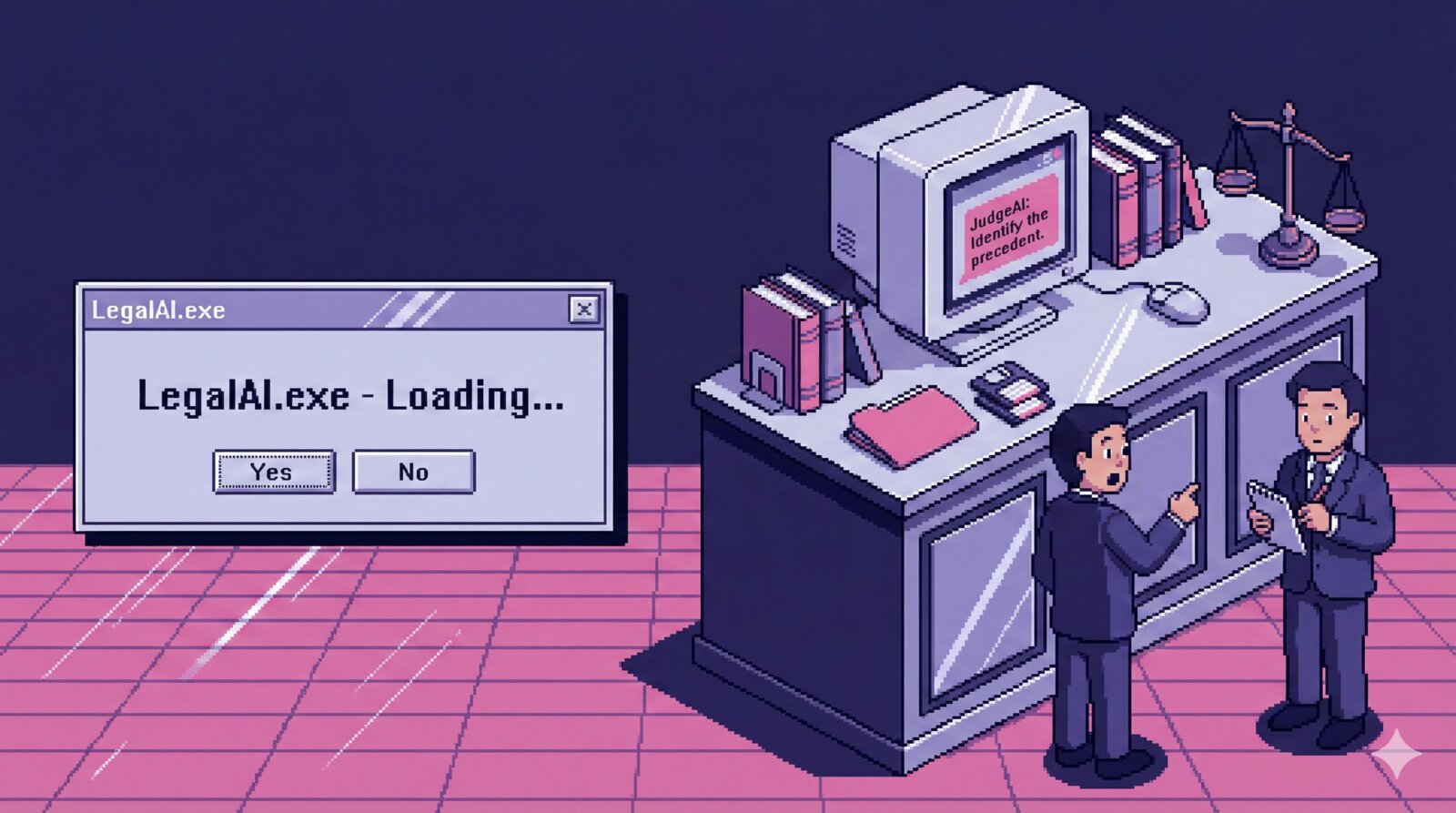
I walked into a legal conference ready for some serious eye-rolls about AI.
The legal industry has a reputation: conservative, change-averse, “we’ve always done it this way.” I expected skepticism, maybe even hostility toward AI tools.
Boy, was I wrong.
The Surprising Reality
Every booth was talking about AI. Every panel mentioned it. The hallway conversations were dominated by which AI tools firms were adopting.
This wasn’t cautious interest. This was a gold rush.
Firms were asking:
- “How do we implement this before our competitors?”
- “What are the ethical guidelines for AI-assisted research?”
- “How do we train associates on AI tools?”
The fear wasn’t “AI will take our jobs.” It was “we’ll fall behind if we don’t adopt.”
Why Legal Is Different
Legal tech AI adoption is interesting because law has characteristics that make AI both very useful and very risky:
Why AI works well:
- Massive document review is time-consuming and error-prone
- Legal research involves searching large corpora for relevant precedents
- Contract analysis follows patterns that AI can learn
- Many tasks are repetitive but require reading comprehension
Why AI is risky:
- Mistakes can have serious consequences (wrong advice, missed clauses)
- Hallucinated citations are a real problem (lawyers have been sanctioned for AI-hallucinated case citations)
- Client confidentiality constraints on data
- Regulated profession with ethical obligations
The Middle Ground They’re Finding
What impressed me was the nuanced approach many firms are taking:
AI for research, humans for advice AI does the initial case research, associates verify citations, partners review analysis. Nobody’s letting ChatGPT write the final brief.
AI for first drafts, not final drafts Contract templates generated by AI, then reviewed and customized by attorneys. Faster than starting from scratch, safer than trusting AI output directly.
Specialized tools over general AI Firms are choosing legal-specific AI tools (trained on legal corpora, designed for legal workflows) over general-purpose ChatGPT. The hallucination problem is too serious for generic tools.
Extensive verification workflows Every AI-generated citation gets verified. Every AI-drafted clause gets reviewed. The workflow bakes in human checkpoints.
What Other Industries Can Learn
Legal’s approach to AI adoption is a model for other high-stakes industries:
- Embrace the productivity gains. Don’t let fear of AI prevent adoption.
- Build verification into the workflow. Assume AI output needs checking.
- Use specialized tools. Domain-specific AI often performs better than general-purpose.
- Train your people. AI tools require new skills.
- Be transparent. Clients and regulators need to know when AI is involved.
The Speed Surprised Me
I expected legal to be 5 years behind tech in AI adoption. It feels more like 6-12 months.
Part of this is competitive pressure. When one firm starts delivering results faster, others have to match or lose clients.
Part of it is the obvious fit. Legal work involves exactly the kind of language tasks AI excels at.
And part of it is the profession’s evolution. Lawyers have been using technology tools for decades. This is just the next generation.
The Remaining Concerns
It’s not all optimism. Real concerns remain:
- Confidentiality: How do you use AI tools without exposing client data?
- Liability: Who’s responsible when AI-assisted work has errors?
- Ethics: What are the obligations around disclosing AI use?
- Skill development: Will associates learn to think legally if AI does the research?
These aren’t reasons to avoid AI. They’re reasons to adopt thoughtfully.
My Takeaway
The legal industry’s AI adoption convinced me that the “AI-resistant” industries narrative is overblown.
When the benefits are clear and the competitive pressure is real, adoption happens fast, even in conservative industries.
The question isn’t whether your industry will adopt AI. It’s whether you’ll be ahead of the curve or behind it.
The lawyers figured this out. Has your industry?
More Thoughts

Panel of Experts Prompting: Using AI Like a Boardroom, Not an Intern
May 25, 2025 · 2 min read
Most people prompt ChatGPT like it's an intern. Here's a technique to use it like a boardroom of experts, and get …
Read more
Django in the LLM-Native Era: Why It's the Perfect AI-Friendly Framework
May 18, 2025 · 3 min read
Django's conventions, batteries-included approach, and 20-year codebase make it ideal for AI-assisted development. …
Read more
AI Vibe Coding: Why I Let AI Write Both My Code AND Tests
Apr 18, 2025 · 3 min read
I let AI write both my code AND tests, and the results demolished my expectations. Here's how AI-generated tests …
Read more